


Discover Aortic
Regurgitation
Being diagnosed with aortic regurgitation (also known as aortic insufficiency) can be scary, and learning about the disease can feel overwhelming. But we are here to help.

Aortic regurgitation (AR) is a serious disease that limits your heart’s ability to pump blood, potentially impacting your quality of life. Fortunately, there are treatments available, especially if the disease is caught early.

What is aortic regurgitation?
Aortic regurgitation (AR) affects the heart’s aortic valve, causing blood to leak back into the heart instead of fully exiting. This impairs the heart’s ability to efficiently pump blood throughout the body.
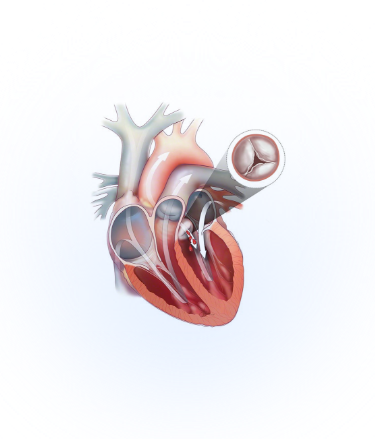
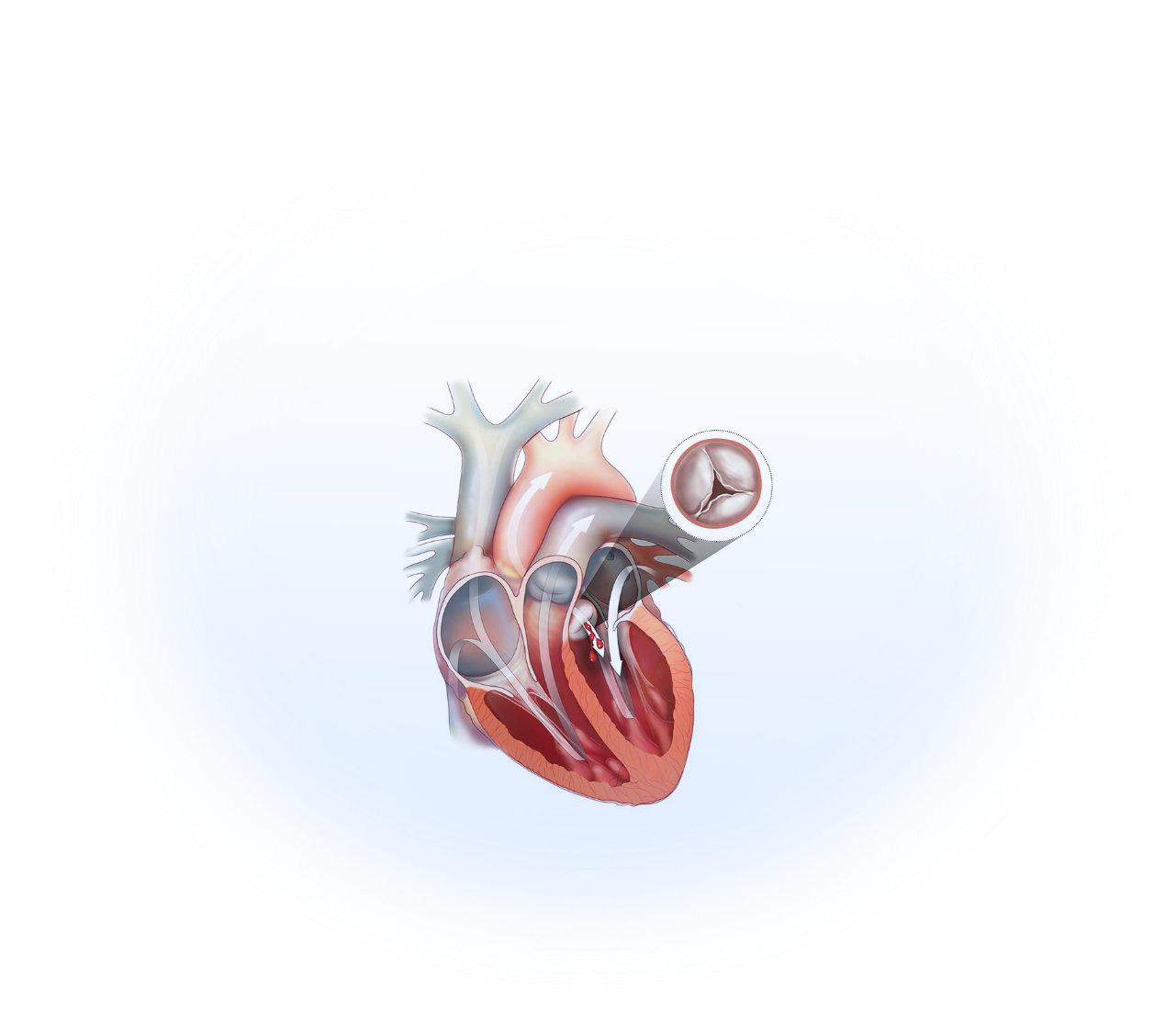
AR is more common than you might think
Up to 2.2% of men and 2.3% of women between the ages of 70 and 83 have moderate or severe AR.1
AR can be life-threatening—but it can also be treated
Patients diagnosed with symptomatic severe AR (ssAR) have a mortality rate of 10% each year.2 But timely treatment can help you increase your chances of long-term survival. One study found that valve surgery reduced 10-year mortality rates from 29% (without surgery) to 13% (with surgery).3
AR should be closely monitored and treated
If you have severe AR but are not yet experiencing symptoms, experts recommend that you receive an echocardiogram every 6–12 months.4 If you are experiencing symptoms, the American College of Cardiology guidelines recommend you consult your doctor about treatment immediately.
AR is undertreated
Only 25.7% of people with severe AR receive surgery within 1 year of diagnosis.1 To give yourself the best chances of long-term survival, talk to your doctor to understand your treatment options as soon as possible.

Can aortic regurgitation be treated?
AR can be managed and treated. Your doctor will work with you to find the right treatment method, which will depend on your symptoms, health, and the current state of your condition.
FDA-approved clinical study
We’re now enrolling patients with AR to participate in the ARTIST Trial.
If you have been diagnosed with AR or are experiencing symptoms, you may be eligible for this trial.
Learn more
Help your AR
patients achieve
better outcomes
Are you a medical provider? Take a look at our aortic regurgitation resources to better understand the disease and treatments currently available.

1 Thourani VH, et al. Structural Heart. 2021;5(6):608-618.
2 Dujardin K, et al. Circulation. 1999;99:1851-1857.
3 Mentias A, et al. JACC 2016;68(20):2144-2153.
4 Otto CM, et al. Circulation. 2021;143:e72-e227.